about.eyebrow
about.title
Connecting tribal artists to the world
My Story
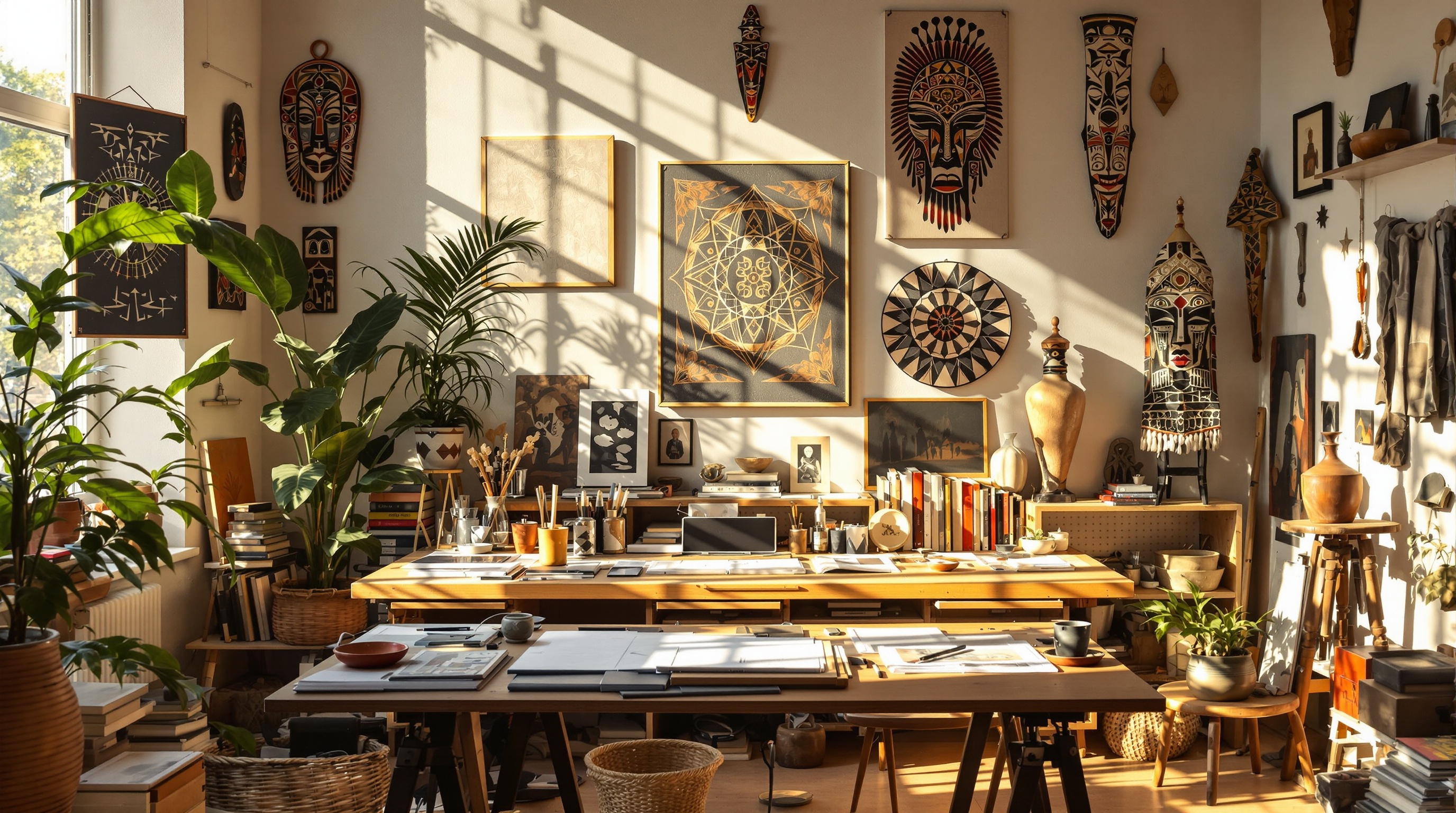
Growing up surrounded by the vibrant colors and intricate patterns of tribal art, I developed a deep appreciation for the stories woven into every piece. My grandmother's collection of handwoven textiles and ceremonial masks wasn't just decoration—it was a living archive of cultural heritage, each item carrying generations of knowledge and tradition.
As a high school humanities student, I began to notice a troubling gap: the incredible artists creating these masterpieces remained largely unknown outside their communities. Despite their extraordinary skill and cultural significance, their work rarely reached the galleries, museums, and collectors who could truly appreciate and preserve it.
This realization sparked my mission. I started documenting the artists I knew, learning their techniques, understanding the symbolism behind their work, and building relationships with tribal communities across different regions. What began as a personal research project evolved into this platform—a bridge connecting traditional artists with the global recognition they deserve.
Through my research paper on tribal art preservation and cultural identity, I've explored how these art forms serve as vital links to ancestral knowledge. But beyond academic study, I'm committed to practical action: ensuring these artists have access to international audiences, fair compensation, and the respect their craft commands.
Every piece featured here represents not just artistic excellence, but a living tradition that deserves to thrive in the modern world. This is more than a portfolio—it's a movement to honor the past while securing the future of tribal artistry.
about.researchTitle
An in-depth exploration of tribal art preservation and its role in cultural identity
Download Research PaperMy Guiding Principles
Every piece of art tells a story. These values shape how I curate and share indigenous artistry with the world.
Cultural Respect
Honoring the traditions, stories, and sacred meanings behind every artwork. Each piece represents generations of knowledge and cultural heritage.
Authentic Connection
Building genuine bridges between indigenous artists and global audiences, ensuring artists receive recognition and fair compensation for their work.
Education & Awareness
Sharing the rich history and cultural significance of tribal art, helping people understand and appreciate the depth of indigenous creativity.
Cultural Preservation
Protecting traditional art forms from being lost to time, documenting techniques and stories for future generations to cherish and continue.
Artist Empowerment
Providing indigenous artists with platforms, resources, and opportunities to showcase their talent and sustain their communities through their craft.
Sustainable Practice
Supporting eco-friendly art practices and natural materials, ensuring that traditional methods remain sustainable for generations to come.
Vision for the Future
Building bridges between ancient traditions and modern audiences, creating a sustainable ecosystem for indigenous artists worldwide
Global Platform
Expanding reach to connect indigenous artists from every continent with collectors and enthusiasts worldwide, creating a truly global marketplace for authentic tribal art.
Educational Hub
Developing comprehensive resources, workshops, and documentaries that educate audiences about the rich cultural heritage and stories behind each artistic tradition.
Artist Support
Establishing mentorship programs, fair trade practices, and direct artist support systems that ensure creators receive recognition and fair compensation for their work.
Sustainable Growth
Promoting eco-conscious practices and sustainable materials while preserving traditional techniques, ensuring cultural heritage thrives without compromising the environment.
Community Building
Creating vibrant communities where artists, collectors, and cultural enthusiasts can connect, share stories, and celebrate the beauty of indigenous artistic traditions together.
Digital Archive
Building a comprehensive digital archive documenting techniques, stories, and cultural contexts, preserving invaluable knowledge for future generations of artists and scholars.
Join Me on This Journey
Together, we can create a world where indigenous art is celebrated, preserved, and accessible to all who appreciate its beauty and cultural significance.
Explore the Collection